
Leaving an apartment in Batumi for the winter requires a clear monitoring plan: who can enter, what they need to check, how they should report a problem, and who can authorize repairs. For owners of apartments in Batumi, a dehumidifier and remote sensor are useful only when paired with a clear operating plan and someone who can visit the property.
What to Document Before You Leave
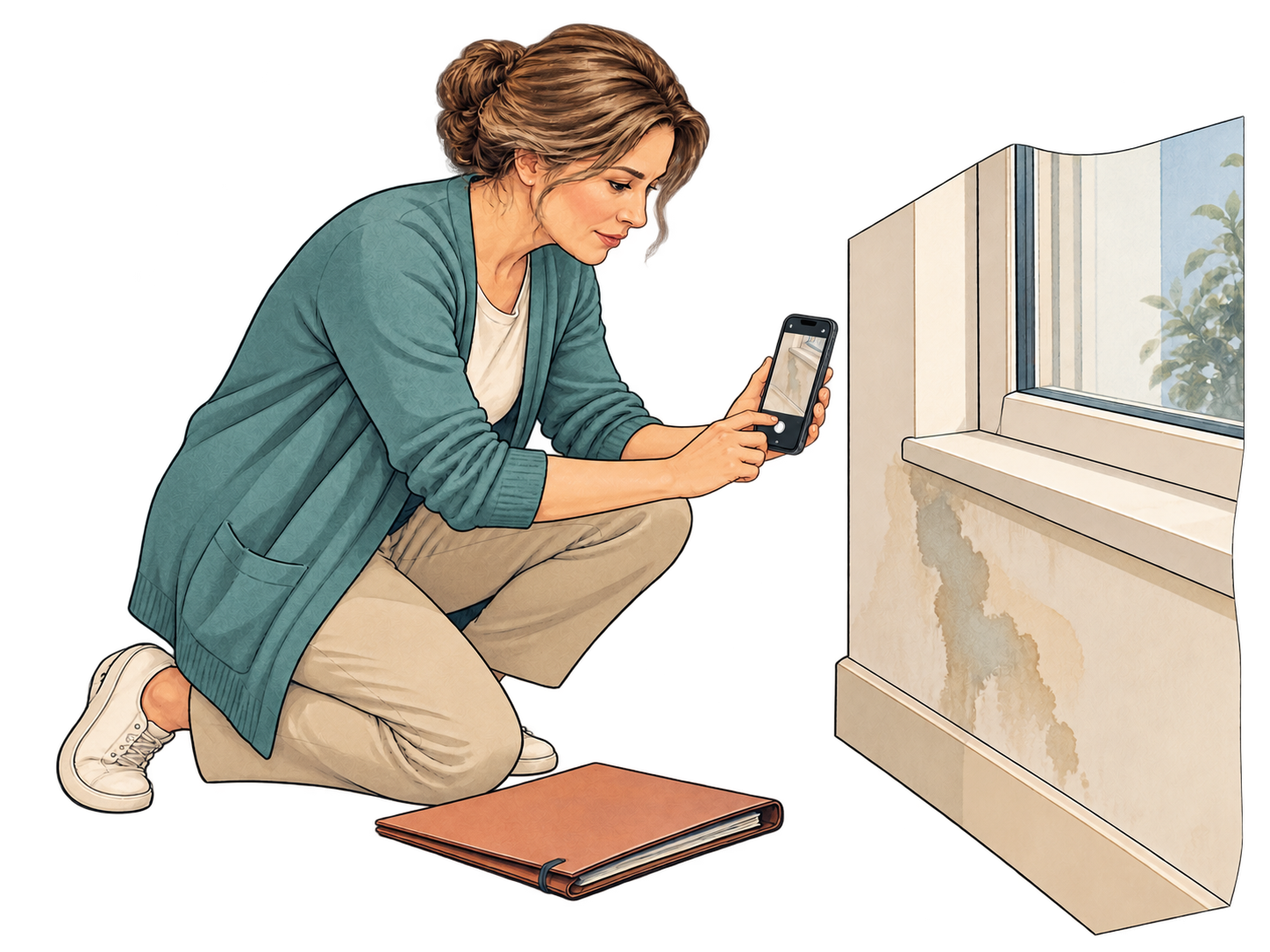
Create a baseline record of the apartment’s condition: photos of the rooms, windows, accessible pipe connections, areas behind furniture, and meter readings. Make a separate note of any existing stains, damage, or faults.
If there is an active leak, unexplained dampness, or an odor, arrange an inspection and address the cause before you leave. A long absence is no time to test the promise that it will “dry out on its own.” Our article on damp and mold in an apartment covers diagnostic checks in detail. Here, the key is to tell the person responsible what is already known and what still needs to be done.
Remove food and rubbish, make sure fabrics and belongings are dry, and leave inspection areas accessible. Follow the specific manufacturer’s instructions for the refrigerator, washing machine, and other appliances.
Keep the contact details of service professionals, appliance manuals, and warranty information. Mark accessible shut-off valves and the electrical panel on a floor plan, but agree on what to do with them with a professional. The person with the keys should not have to guess what a valve or circuit breaker controls during an emergency.
Agree on Water, Power, and Humidity Settings
Don’t apply a blanket “turn everything off and shut everything down” rule without checking the systems in the apartment. Humidity control, communications, or leak protection equipment may need power. Any appliance left running must be suitable for the intended operating conditions and safely connected. Make a separate plan for water, electricity, heating, and ventilation.
Confirm how to shut off the water supply, prepare the water heater, and restart it with the technician who knows your system, following the manufacturer’s instructions. Don’t shut off shared building utilities yourself. Leave gas equipment and electrical faults to qualified professionals.
Agree on a ventilation plan that suits the apartment’s setup. Don’t seal purpose-built ventilation openings or leave windows open all winter in place of a maintenance plan.
For humidity monitoring, specify where to take readings, the acceptable range, and when the owner should be notified. The EPA recommends keeping indoor relative humidity below 60%, ideally between 30% and 50%. This is a general preventive guideline from a US agency, not a mandatory standard in Georgia or a one-size-fits-all setting for every room. Record readings along with the temperature; a damp area needs attention even if the reading in the middle of the room is normal.
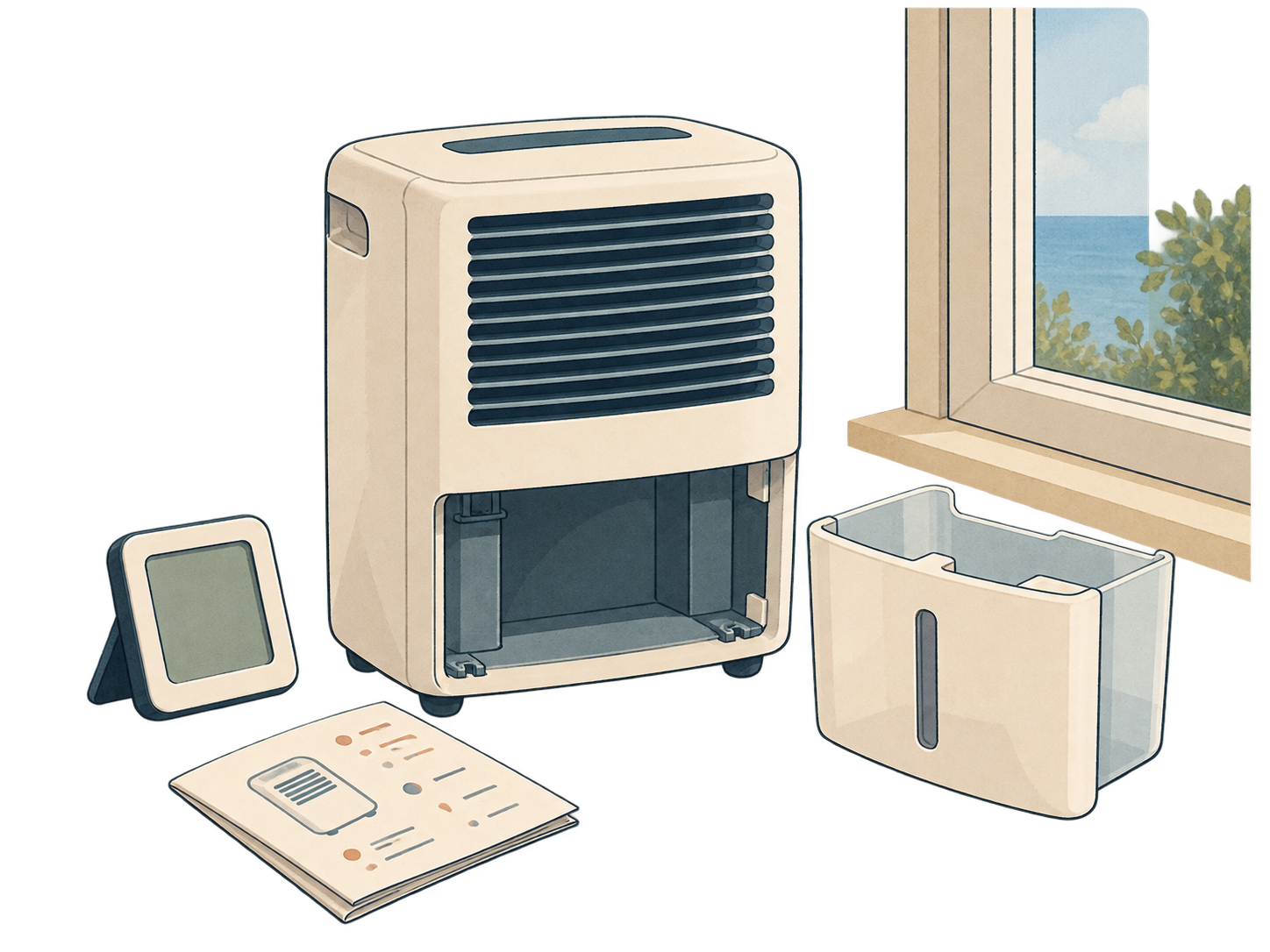
If you leave a dehumidifier running, check in advance that it works in the intended mode. ENERGY STAR notes that portable models usually shut off when their tanks fill, while drainage options and operating temperatures vary by model. So a lit indicator does not prove that moisture is being removed continuously. Make sure someone knows who will empty the tank or check the designated drain.
Set up continuous drainage only as permitted for your model, with a safe water outlet and in accordance with electrical safety requirements. Don’t leave an improvised hose near wires. Check the manual to see how the equipment behaves after a power outage, and tell the person responsible what they may do when power is restored.
Who to Give Access to and What to Ask Them to Do
Appoint a primary contact and a backup. This could be a property manager or another person you have arranged with, but they need working access and the ability to arrange help. Having building security or a reception desk does not mean staff inspect your apartment or maintain your appliances.
Record the key handover and check the entire access route: the building entrance, the elevator or stairs, and the apartment door. Specify where the spare set is kept and who may use it. For electronic access, check when access expires and how to revoke it.
Set out the scope of inspections, how reports should be sent, how service professionals can be let in, and the spending limit they may approve without your separate consent. Distinguish between a routine visit, an additional call-out, and repair work; their costs and scope may differ. Specify who will step in if the usual contact is unavailable.
Agree how you’ll be contacted in an emergency and what to do if you don’t respond. Keep contact details for the building’s maintenance provider and emergency services. Access to the apartment, authority to call a professional, and permission to approve expenses must match the agreed instructions; having a key alone does not grant unlimited authority.
How to Schedule Inspections and Get Clear Reports
Set the inspection frequency based on the apartment’s condition, history of leaks, equipment in use, and maintenance arrangements. Don’t use the same interval for a well-maintained, tested property and one that was recently renovated or has suffered water damage. Agree on an initial check after switching to the vacant-home setup, a schedule for subsequent visits, and the reasons for an unscheduled inspection.
Reasons for an unscheduled visit might include a sensor alert, a report of water in the building, a significant change in readings, or a weather event that calls for checking a vulnerable area. Be specific about what “after heavy rain” means: who decides whether a visit is needed, how quickly they contact the owner, and how they confirm the inspection was completed.
| What to Check | What to Include in the Report | What to Note Separately |
|---|---|---|
| Windows, walls, and accessible pipes | Photos from the same spots, and whether there are any new signs of water | Areas that could not be accessed |
| Humidity and temperature | Readings, where and when they were taken | Any deviation from the agreed settings |
| Equipment operation | Tank or drain status, indicator lights, and maintenance performed | Any fault, shutdown, or changed setting |
| Meters and end of visit | Readings, condition of windows and door, and departure time | Any unexplained usage or action |
Each report should relate to a specific visit. A few old photos and a message saying “everything’s fine” don’t show what was checked this time. Ask the person to state clearly what they couldn’t inspect: no photo behind a wardrobe does not confirm that the wall behind it is dry.
Remote sensors supplement this plan. Check that alerts are working and decide in advance what a loss of connection means: whether the issue is with the internet, power, battery, or the device itself still needs to be established. Someone should be able to check the apartment even when the app has no recent data.
What to Do About a Leak, Dampness, or Loss of Connection
If you’re told there’s water, don’t wait for the next scheduled inspection. The person responsible should check whether it is safe to enter, contact the relevant service professionals, and act within the agreed arrangements. If water is affecting electrical appliances or there are other signs of danger, don’t ask an untrained person to take equipment apart or enter a hazardous area.
Ask them to record when the issue was discovered, where it is, any available photos, and what actions were taken. Then get an explanation of the cause and a plan for the work. Removing water or treating a stain is not the same as fixing a leak; check the result after repairs. Keep records of service requests, invoices, and completed work.
If humidity rises, check the readings and the agreed system’s operation without changing its settings arbitrarily. If the cause is unknown or signs keep returning, arrange a technical inspection. Repainting before you return should not replace a report on the problem.
If the connection is lost, use the backup contact and find out what condition the apartment is in. A sensor going silent does not prove there’s an emergency, but it does need to be checked.
How to Manage Costs for a Vacant Apartment
Having no occupants does not eliminate all expenses. Article 21(2) of Georgia’s law on homeowners’ associations provides that not using a property does not release an association member from expenses for the maintenance and use of common property. Check whether specific management company services are mandatory under your own contract; don’t assume this follows automatically from that rule.
Break the budget down into regular bills, equipment maintenance, and costs for individual service calls. Keep meter readings and utility bills, and compare consumption over similar periods with the known operating schedule. If there is an unexplained increase, check the bill and the equipment.
Agree on payment for inspections, additional visits, and minor work, how receipts will be provided, and the limit on expenses the contact can approve independently. Set aside a separate amount for unexpected maintenance. If the apartment is insured, check your policy’s requirements for extended absences, notification, and what to do in the event of damage.
Check that you can access your accounts and pay bills from abroad. Assign someone to monitor charges. Keep proof of payment with the bill for the relevant period.
What to Check When You Return
Compare the apartment’s condition with the baseline photos, visit log, and work completed. Check for new signs of damp, meter readings, outstanding bills, and any reported issues. Restart systems according to the instructions; if a professional prepared them for your absence, agree with them in advance on how to restore normal operation.
Settle the costs of verified work, collect the keys or update access permissions, and keep a list of unresolved issues. Before your next trip, review the instructions: who can enter, what they need to check, how they should report problems, and what to do if something is out of the ordinary.