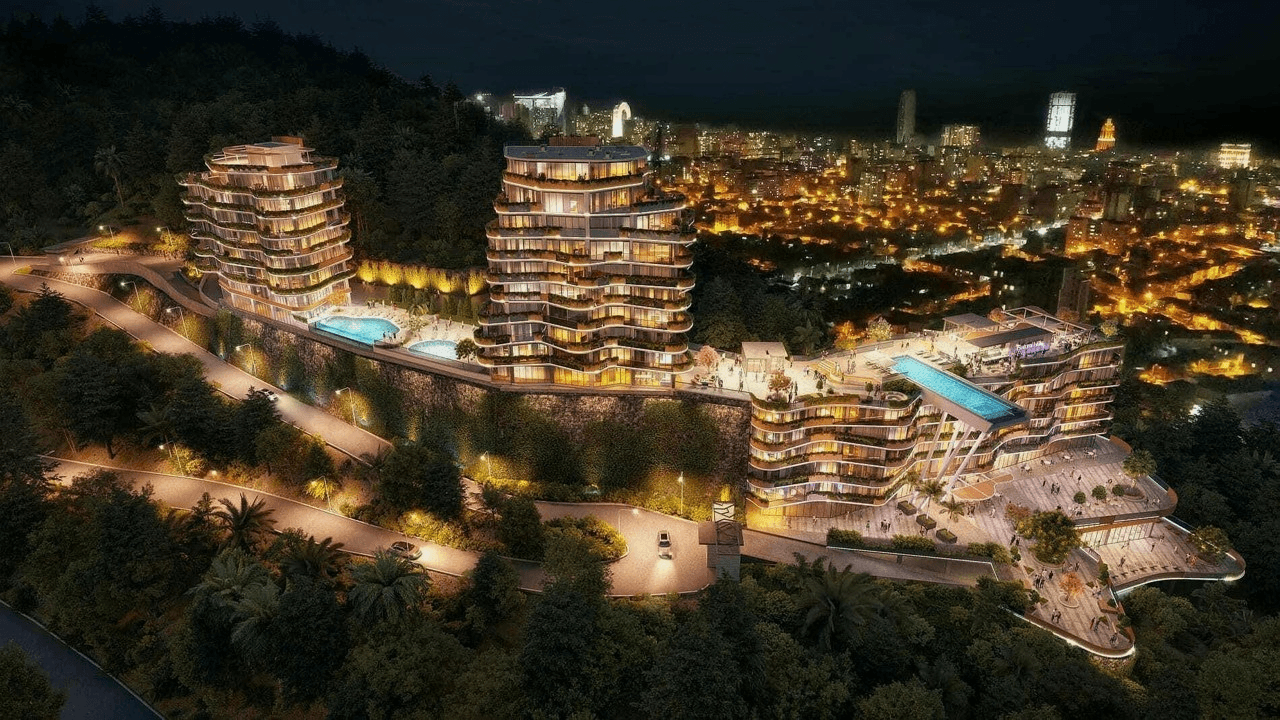

ბათუმის უძრავი ქონების ბაზარზე Mardi Hills გამოირჩევა, როგორც დაბალანსებული პროექტი კომფორტ-კლასში. აქ ინვესტორები იღებენ ხელმისაწვდომ შესვლის ზღვარს განვითარებად ლოკაციაში. რაიონში ფასების ზრდის პერსპექტივას უზრუნველყოფს კომფორტ-კლასის წინადადებების დეფიციტი საკუთარი ინფრასტრუქტურით. ეს ფაქტორი ზრდის ობიექტის მიმზიდველობას, როგორც იჯარის, ასევე შემდგომი გაყიდვის თვალსაზრისით.
ბინა 30.85 მ² საშუალებას აძლევს მყიდველს შევიდეს ბათუმის ბაზარზე დაბალი შესვლის ზღვრით. კახაბერის განვითარებად ლოკაციაში ასეთი ქონება ინარჩუნებს სტაბილურობას და იზრდება რაიონის განვითარებასთან ერთად. ეს არის გონივრული არჩევანი პორტფელის დივერსიფიკაციისთვის Mardi Hills-ის კომფორტ-კლასის ფარგლებში.
ბინა 7 სართულზე უზრუნველყოფს მაღალ კონფიდენციალურობას და მინიმალურ ხმაურს გარედან. ეს ვარიანტი მოსახერხებელია მაცხოვრებლებისთვის, ვინც აფასებს სიმშვიდეს და იზოლაციას. კომპლექსის მდებარეობა კახაბერში, ზღვასთან სიახლოვესთან ერთად, ზედა სართულებზე ქმნის განსაკუთრებულ ატმოსფეროს.
თანხა $72 189 განპირობებულია კომპლექსის ინფრასტრუქტურით და ლოკაციის სტრატეგიული მდებარეობით. Mardi Hills გვთავაზობს სრულყოფილ გარემოს, სადაც ფასი შეესაბამება მიღებულ კომფორტს და მომავალ ღირებულებას. ბალანსირებული წინადადება მყიდველებისთვის, ვინც აფასებს ხარისხს.
ეს საცხოვრებელი სივრცე გვთავაზობს ბალანსს ფასსა და ფუნქციონალურობას შორის ბათუმის განვითარებად რაიონში. კომპლექსის ინფრასტრუქტურა, მდებარეობა ზღვასთან და Mardi Holding-ის რეპუტაცია ქმნის საიმედო საფუძველს. პირობების გასაგებად და სასურველი ბინის ასარჩევად მოგვწერეთ.