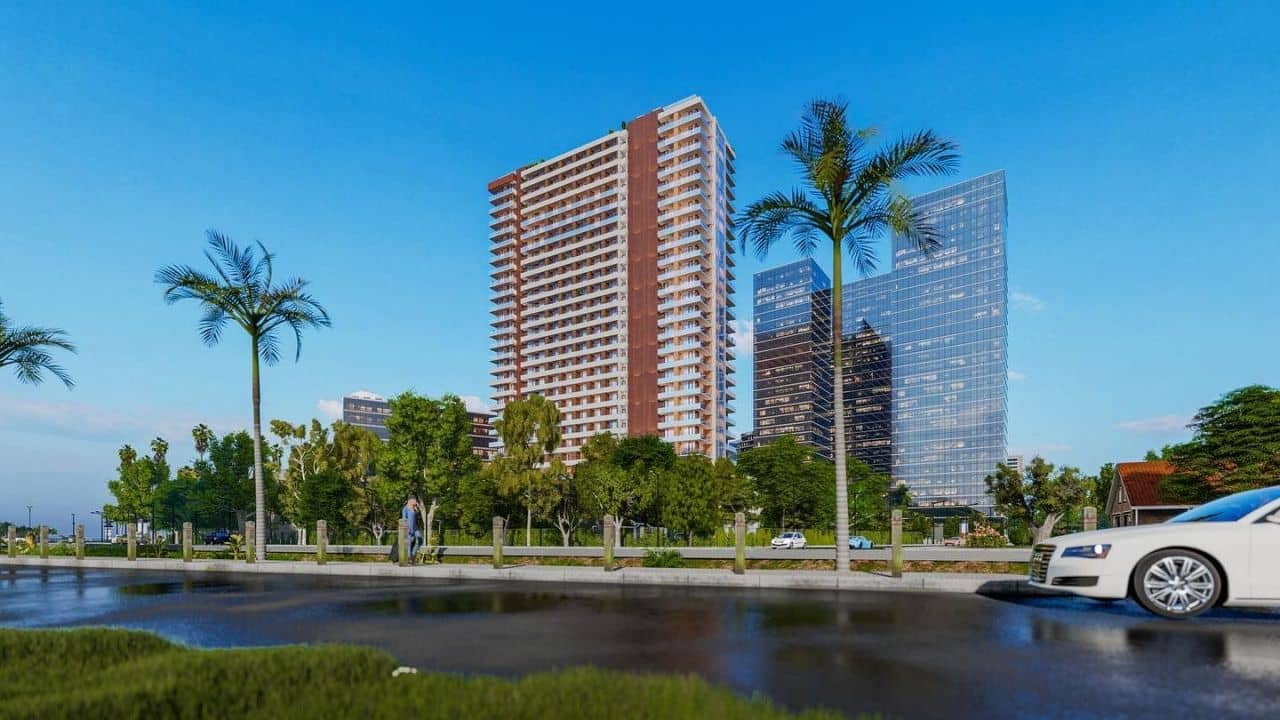

تتميز بنية أوبتيما ريزيدنس التحتية بتكامل الخدمات التي تدعم الحياة اليومية: موقف سيارات تحت الأرض، شركة إدارة محترفة، ومساحات تجارية في الطابق الأرضي. هذه العناصر، مقترنة بقرب المجمع من الطرق اللوجستية ومجمعات سكنية جديدة، تعزز من جاذبية الموقع وتقلل من الاعتماد على التنقل لمسافات طويلة لتلبية الاحتياجات الأساسية.
تمثل الوحدات الكبيرة من 139.33 م² أصلًا عقاريًا ذا قيمة مضافة عالية بفضل ندرتها النسبية في منطقة المطار. في أوبتيما ريزيدنس، هذا الحجم يستفيد من جودة تنفيذ المطور والبنية التحتية المتكاملة، مما يدعم نمو قيمة العقار مع اكتمال المشاريع المجاورة ونضج الحي السكني.
الطوابق المتوسطة تجمع بين سهولة الوصول وراحة العيش بعيدًا عن ضوضاء الشارع. في مجمع أوبتيما ريزيدنس، هذا الموقع يوفر استقرارًا حراريًا وصوتيًا أفضل، مما يقلل من تكاليف الصيانة ويعزز من جاذبية الشقة للإيجار طويل الأمد في منطقة تتطور ديناميكيًا قرب البحر.
التكلفة الإجمالية $98,040 تأخذ في الاعتبار القرب من محور النقل والبحر في منطقة تتطور ديناميكيًا. في سياق أوبتيما ريزيدنس، هذا السعر يمثل نقطة دخول عقلانية لسوق عقارات باتومي، حيث يدعم الطلب المستقر على الإيجار نمو قيمة الأصل مع اكتمال البنية التحتية المحيطة.
تمثل هذه الوحدة في أوبتيما ريزيدنس نقطة دخول عقلانية لسوق عقارات باتومي، حيث يجمع السعر والموقع والجودة في نموذج استثماري واضح. القرب من البحر ومحور النقل، مع خطة تقسيط بدون فوائد، يدعمان سيولة العقار وإمكانية نمو قيمته في منطقة نامية.