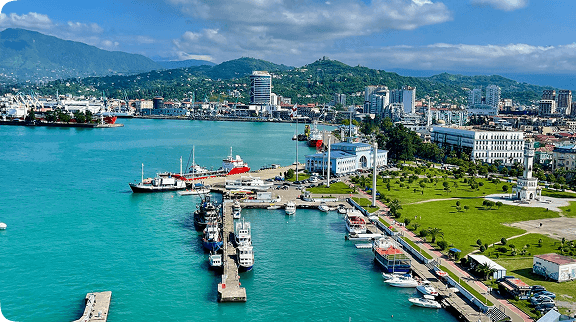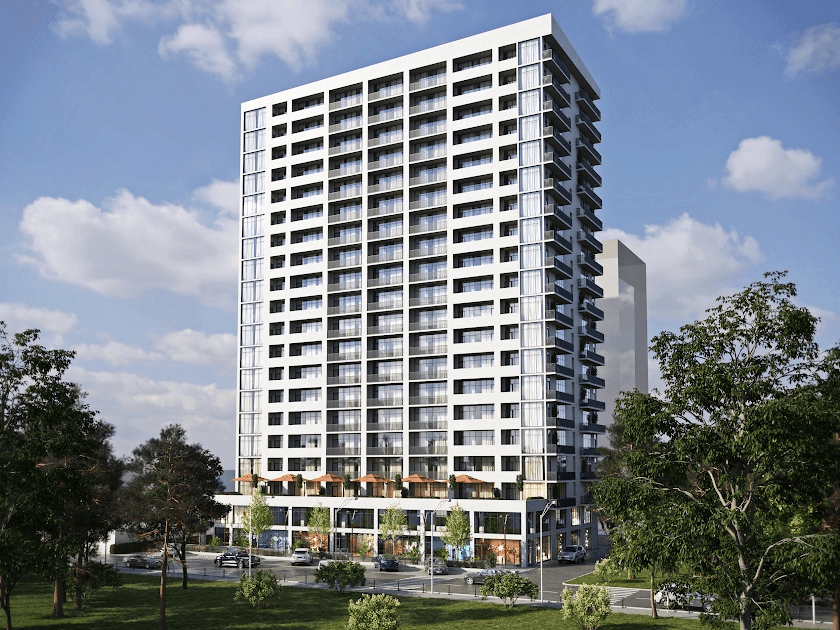

Квартира размещена в локации, где дефицит качественного семейного жилья поддерживает стабильный интерес со стороны покупателей и инвесторов. Четыреста метров до береговой линии обеспечивают удобный доступ к побережью, а развитая инфраструктура района закрывает базовые потребности без необходимости поездок в центр. Монолитная технология строительства и использование современных материалов гарантируют долговечность объекта и низкие эксплуатационные затраты. Проект поэтапно реализуется, что позволяет выбрать оптимальный корпус и этаж.
Площадь около 27.9 м² предназначена для комфортного проживания одного человека или пары, предпочитающей минималистичный формат с сохранением всех необходимых зон. В комплексе комфорт-класса такая планировка дополняется закрытым двором и сервисами управляющей компании, что снимает бытовые вопросы. Для инвесторов данный метраж обеспечивает стабильный арендный поток вне сезона, формируя предсказуемую экономику пассивного дохода.
Размещение на 19 ярусе обеспечивает приватность проживания за счёт снижения визуального контакта с окружающими зданиями и улицей. Естественная вентиляция и обильное освещение в течение дня поддерживают здоровый микроклимат без дополнительных систем кондиционирования. Верхние квартиры в комплексе воспринимаются как премиальный формат, сочетающий статусность расположения с функциональностью планировок.
Стоимость $39 897 на площадь 27.9 м² демонстрирует рациональное соотношение метража и функциональных зон внутри проекта семейного формата. Застройщик Renaissance City сохраняет баланс между доступностью и качеством, внедряя закрытые территории и сервисы аренды. Подобная экономика входа позволяет инвесторам и семьям приобрести ликвидный актив с устойчивым спросом вне пиковых туристических периодов.
Квартира в формате семейного квартала обеспечивает стабильность проживания за счёт закрытой территории, видеонаблюдения и сервиса управления арендой. Локация рядом с парком и транспортной развязкой района Аэропорта поддерживает бытовую автономию резидентов. Сравнить доступные площади и характеристики корпусов позволяет техническая консультация без обязательств.