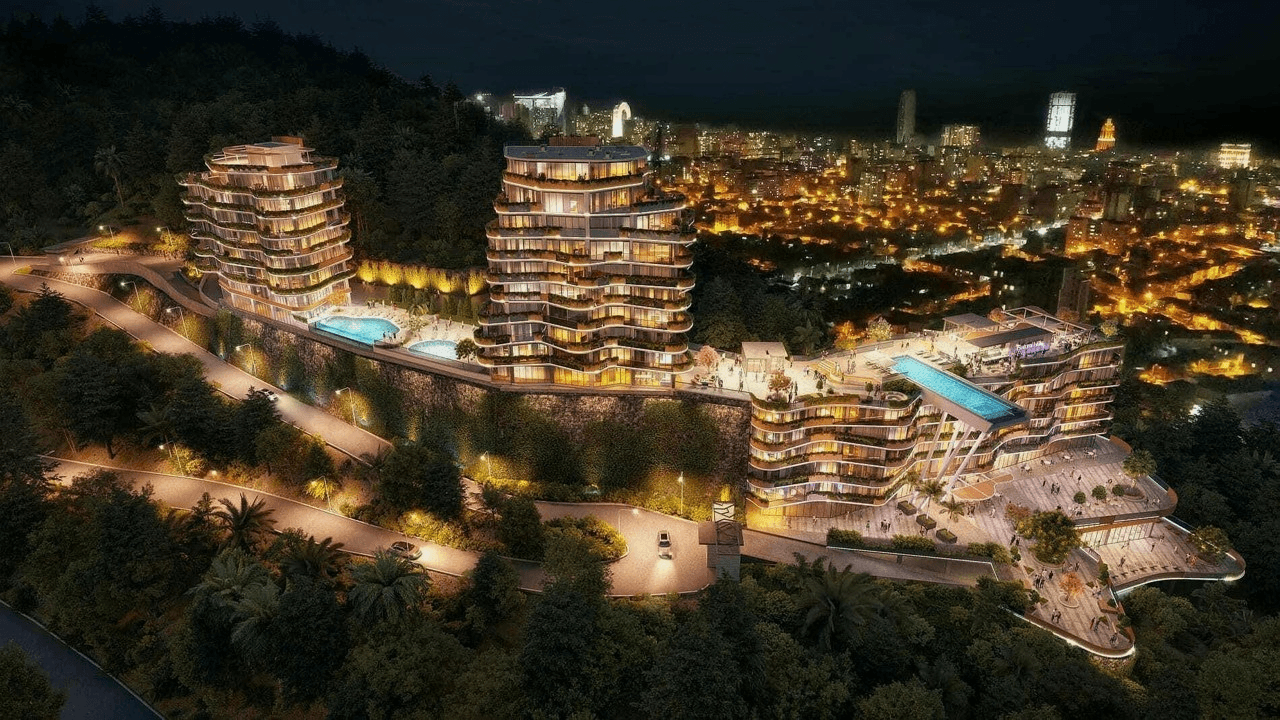

დეველოპერთან პირდაპირი თანამშრომლობა უზრუნველყოფს ბიუჯეტზე სრულ კონტროლს და გარიგების გამჭვირვალობას. Mardi Holding-ი ახორციელებს გაყიდვებს შუამავლების გარეშე, რაც ამცირებს დანახარჯებს. პროექტის ფორმატი ითვალისწინებს როგორც მოკლევადიან იჯარას, ასევე მუდმივ საცხოვრებელს. კომპლექსის ტერიტორიაზე გათვალისწინებულია უსაფრთხოების სისტემები და კეთილმოწყობილი სივრცეები ყველა ასაკის მაცხოვრებლისთვის.
ეფექტური დაგეგმარება 38.56 მ² ფართზე მაქსიმალურად ზრდის სასარგებლო სივრცის გამოყენებას. ასეთი ბინები ბუნებრივად ერგება Mardi Hills-ის ინფრასტრუქტურას, სადაც დამატებითი კომფორტი აუზითა და ფიტნესით არის ხელმისაწვდომი. ეს ფორმატი მოხერხებულია ექსპატებისთვის ან მოგზაურებისთვის, ვინც აფასებს ფუნქციონალურობას.
ბინა 3 დონეზე უზრუნველყოფს სწრაფ და მოსახერხებელ წვდომას საცხოვრებელ სივრცესთან. ეს მნიშვნელოვანია ოჯახებისთვის ან მაცხოვრებლებისთვის, ვინც აფასებს დროის ეკონომიას. Mardi Hills-ის კეთილმოწყობილი ეზო და მწვანე სივრცეები სარკმელს მიღმა ქმნის ბუნებრივ კავშირს გარემოსთან.
საფასური $86 760 ეფუძნება პროექტის კომფორტ-კლასის პარამეტრებს და კახაბერის განვითარების პერსპექტივას. პირდაპირი გარიგება დეველოპერთან გამორიცხავს ხარჯებს და უზრუნველყოფს გამჭვირვალობას. ეს ფორმატი ქმნის საფუძველს, როგორც საინვესტიციო ზრდისთვის, ასევე პერსონალური საცხოვრებლისთვის მომგებიანი პირობებით.
Mardi Hills-ის ბინა კახაბერში აერთიანებს კომფორტ-კლასის ხარისხს და საინვესტიციო პოტენციალს. პირდაპირი გაყიდვა დეველოპერისგან უზრუნველყოფს გამჭვირვალობას, ხოლო ლოკაცია ზრდის ქონების ღირებულებას. დეტალური ინფორმაციის მისაღებად დაგვიკავშირდით კონსულტაციისთვის.