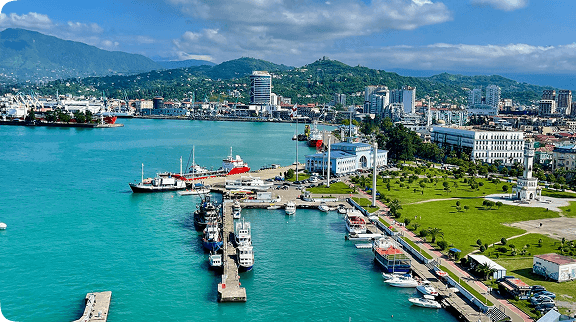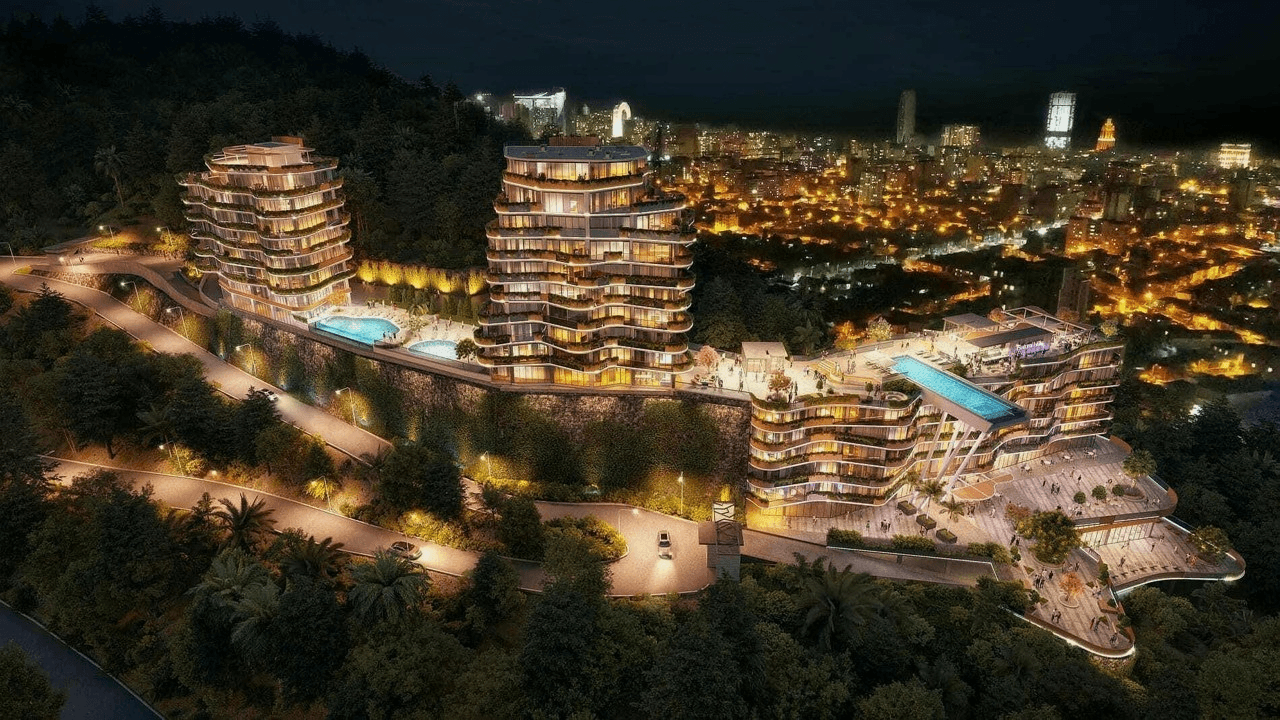

Комплекс Mardi Hills размещён в стратегически удобной локации Батуми, обеспечивая оперативный доступ к центральному району и ключевым туристическим маршрутам курортного города. Проект предлагает широкий выбор жилых помещений от однокомнатных до трёхкомнатных планировок, что позволяет адаптировать пространство под конкретные потребности будущих жильцов. Прямое взаимодействие с застройщиком гарантирует прозрачность сделки и полное отсутствие скрытых комиссий посредников. Близость к набережной и парку Петра формирует комфортный ритм жизни, дополняя жилой комплекс развитой городской инфраструктурой и логистическими возможностями.
Квартира площадью 38.89 м² представляет собой сбалансированное пространство, где чёткое зонирование компенсирует ограниченную квадратуру и создаёт ощущение организованности. Данный метраж идеально подходит для одинокого проживания или краткосрочного пребывания, снижая расходы на коммунальные услуги и упрощая уборку. Расположение комплекса вблизи набережной и парка Петра делает такие варианты привлекательными для формирования доступного городского жилья.
Размещение квартиры на 4 этаже создаёт оптимальный баланс между высотными преимуществами и удобством вертикального перемещения внутри здания, сохраняя стабильный микроклимат. Средний уровень обеспечивает достаточную изоляцию от уличного шума при сохранении быстрой доступности к входу и служебным помещениям, исключая задержки в пиковое время. В Mardi Hills такой ярус позволяет жильцам комфортно пользоваться инфраструктурой района без длительных поездок на лифте.
Цена квартиры в размере $91 392 отражает оптимизацию расходов на квадратный метр, достигнутую за счёт исключения посредников и прямых контрактов с разработчиком проекта. Данное финансовое предложение учитывает реальные характеристики планировок и не завышает стоимость за счёт маркетинговых инструментов, сохраняя честные условия. Развитая инфраструктура Батуми и близость к морю делают такую покупку экономически обоснованной для долгосрочного использования.
Выбор квартиры в Mardi Hills основывается на сочетании доступных планировок, прямой схемы приобретения и развитого окружения курортного района, обеспечивая предсказуемость затрат. Локация рядом с морским побережьем и центральными маршрутами формирует стабильный фон для жизни, поддерживая высокий уровень повседневного комфорта. Уточнить детали по конкретным этажам и конфигурациям можно при изучении текущей экспозиции комплекса.