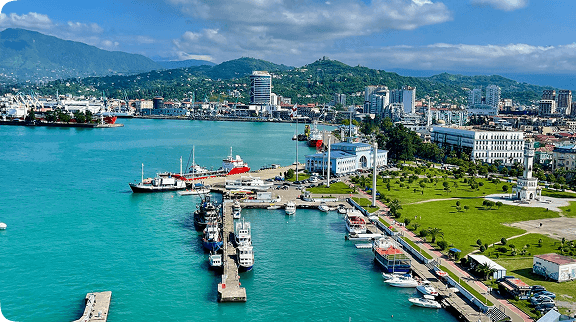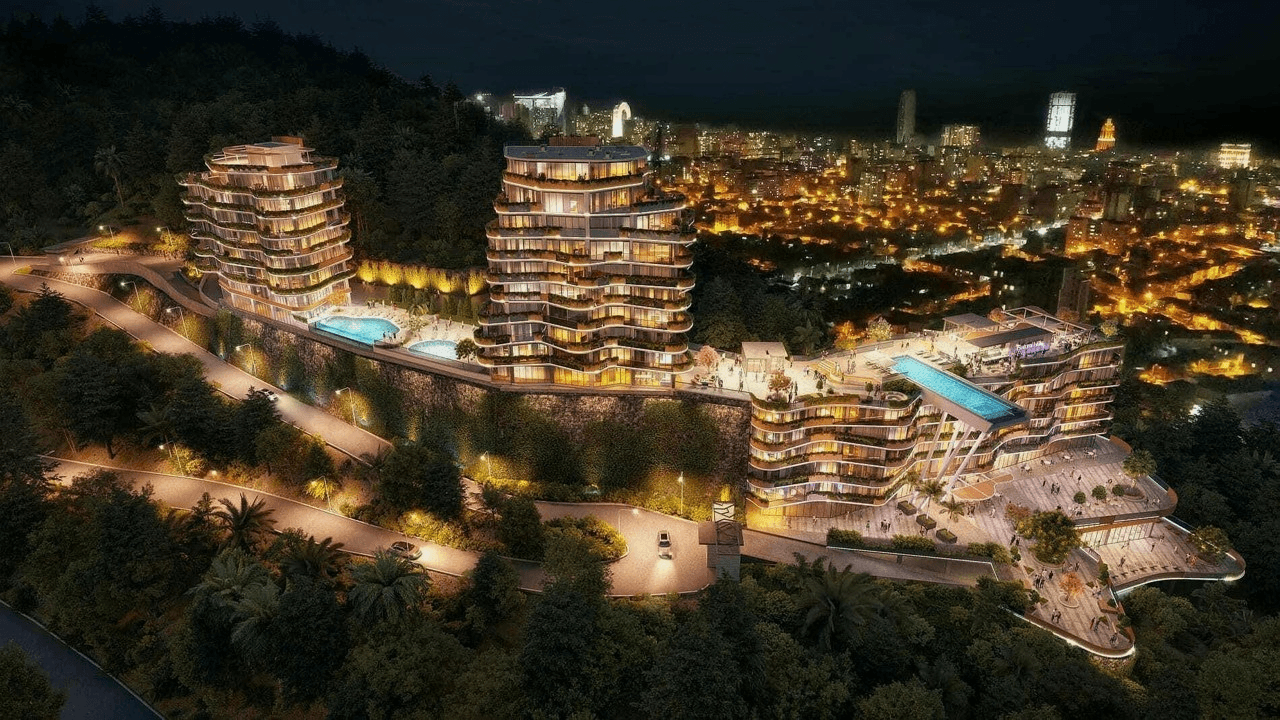

Комплекс Mardi Hills размещён в стратегически удобной локации Батуми, обеспечивая оперативный доступ к центральному району и ключевым туристическим маршрутам курортного города. Проект предлагает широкий выбор жилых помещений от однокомнатных до трёхкомнатных планировок, что позволяет адаптировать пространство под конкретные потребности будущих жильцов. Прямое взаимодействие с застройщиком гарантирует прозрачность сделки и полное отсутствие скрытых комиссий посредников. Близость к набережной и парку Петра формирует комфортный ритм жизни, дополняя жилой комплекс развитой городской инфраструктурой и логистическими возможностями.
Вариант жилья площадью 35.76 м² спроектирован с учётом эффективного распределения внутренних зон, исключая неиспользуемые коридоры и технические простенки. Формат позволяет организовать полноценную жилую среду с минимальными эксплуатационными тратами, что соответствует бюджетной логике проекта. Близость к развитой инфраструктуре Батуми компенсирует небольшую квадратуру, предлагая быстрый доступ к внешним сервисам и отдыху.
Жильё на 3 уровне формирует тесную связь с ландшафтным окружением, позволяя быстро перемещаться между входной дверью и уличным пространством без дополнительных переходов. Подобное размещение снижает зависимость от вертикальных коммуникаций и упрощает ежедневную логистику жильцов, особенно в утренние часы. В проекте этот параметр особенно удобен для тех, кто ценит оперативный доступ к парковым зонам и близлежащей инфраструктуре Батуми.
Ценовой ориентир $82 248 демонстрирует сбалансированный подход к формированию бюджета, позволяя приобрести объект без переплат за лишние маркетинговые надбавки и скрытые комиссии. Стоимость учитывает прямую продажу от разработчика, что гарантирует соответствие рыночных ожиданий фактическим характеристикам жилья и инженерных систем. Удобная транспортная доступность и развитое окружение Батуми усиливают практическую значимость этой цены.
Выбор квартиры в Mardi Hills основывается на сочетании доступных планировок, прямой схемы приобретения и развитого окружения курортного района, обеспечивая предсказуемость затрат. Локация рядом с морским побережьем и центральными маршрутами формирует стабильный фон для жизни, поддерживая высокий уровень повседневного комфорта. Уточнить детали по конкретным этажам и конфигурациям можно при изучении текущей экспозиции комплекса.